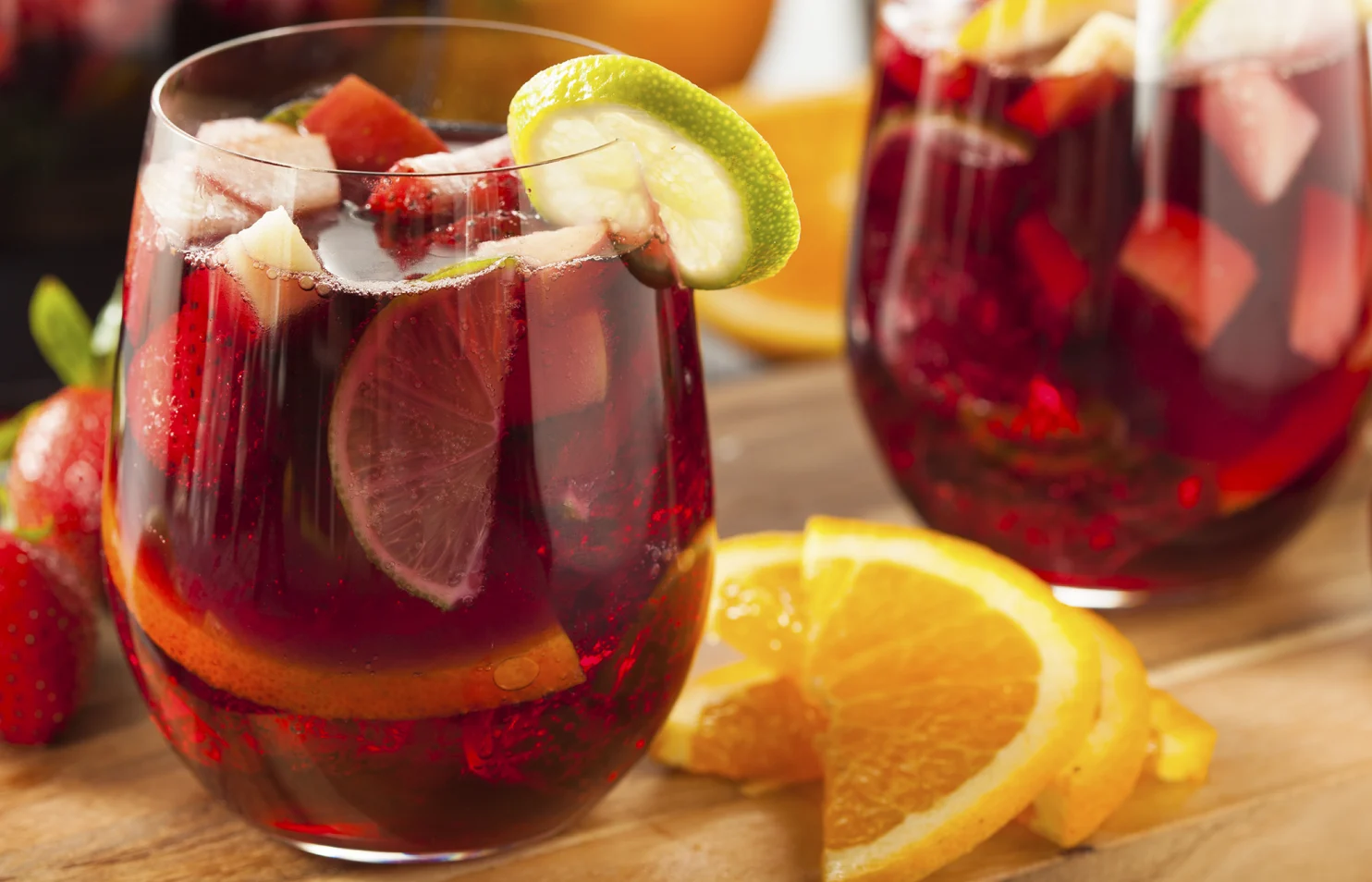
Sangría
$4.50
Sangría: A Taste of Spain in Every Sip
Sangría. The very name conjures images of sun-drenched Spanish patios, clinking glasses, and the joyful murmur of conversation. More than just a drink, sangría is a cultural icon, a vibrant testament to Spain’s rich culinary heritage. But what exactly is this enticing concoction, and how did it become the beloved global sensation it is today? Let’s uncork the fascinating history, explore its regional variations, and delve into the essential ingredients that make sangría an unforgettable experience.
The Tangled Roots of Sangría: A History as Rich as its Flavor
While sangría is synonymous with Spain, its origins are somewhat shrouded in the mists of time, with influences potentially stretching back to Roman times. The Romans, who brought viticulture to the Iberian Peninsula, were known for mixing wine with water and spices to make it more palatable and safe to drink. This early practice, while not sangría as we know it, laid a foundational concept of diluting and flavoring wine.
The word “sangría” itself, meaning “bleeding” in Spanish, likely refers to the deep ruby red color of the traditional wine-based drink. The first widely recognized form of sangría, closer to its modern incarnation, emerged in Spain and Portugal centuries later. During the 18th and 19th centuries, variations of fruit-infused wine punches became increasingly popular among the populace. These early versions were often made with readily available local fruits and spices, reflecting the agricultural bounty of the region.
Sangría truly began its international ascent in the mid-20th century. The 1964 New York World’s Fair played a significant role in introducing sangría to a broader American audience. The Spanish pavilion served the refreshing drink, captivating visitors with its vibrant color and delightful taste. From there, its popularity steadily grew, establishing sangría as a staple on restaurant menus and in homes across the globe, becoming an emblematic representation of Spanish cuisine and hospitality.
Related products

Bacardi superior 151
From Cuban Roots to Global Icon: The History of Bacardi Superior
The story of Bacardi Superior begins in the vibrant city of Santiago de Cuba on February 4, 1862. It was here that Don Facundo Bacardí Massó, a Spanish wine merchant, embarked on a revolutionary quest to tame the harsh, unrefined rums of his time. Through meticulous experimentation, he developed groundbreaking techniques that would transform rum into a smoother, more refined spirit suitable for sipping and mixing.Don Facundo's innovations were numerous. He introduced the use of charred oak barrels for aging, which imparted a subtle smoothness and character. He pioneered the use of a proprietary strain of yeast (La Levadura Bacardí), ensuring consistent fermentation. Perhaps most importantly, he introduced a charcoal filtration process that removed impurities, resulting in an exceptionally clean and light-bodied spirit. These methods were revolutionary, producing the world's first "white" rum as we know it today – Bacardi Superior.The bat, a symbol of good fortune in Cuba, became the family's emblem after a colony of fruit bats was discovered in the distillery's rafters. This iconic Bacardi Bat Device has graced every bottle since and remains one of the most recognizable logos in the spirits industry.The Bacardí family faced numerous political upheavals, including the Cuban War of Independence and Prohibition in the United States. However, the most significant challenge came with the Cuban Revolution in 1959. In 1960, the revolutionary government illegally confiscated Bacardí assets in Cuba without compensation. Foresightful, the family had already established operations in other countries, allowing them to continue production and rebuild their empire outside of their homeland. This marked a pivotal moment, forcing Bacardi to become a truly global company.Despite these immense challenges, Bacardi Superior continued to thrive, driven by its unwavering commitment to quality and its adaptable spirit. Today, Bacardi Limited is the largest privately held, family-owned spirits company in the world, with Bacardi Superior remaining its flagship product, a testament to Don Facundo's enduring legacy.
Don julio añejo Tequila

1800 reposado Tequila
The Golden Age of Tequila: Exploring 1800 Reposado
In the world of spirits, few beverages boast the rich history, diverse regionality, and intricate ingredient profile of tequila. Among its many expressions, 1800 Reposado stands as a beacon of quality and tradition, offering a golden hue and a smooth taste that has captivated connoisseurs for decades. More than just a drink, 1800 Reposado is an experience, a journey into the heart of Mexico's tequila-making heritage.A Legacy Distilled: The History of 1800 Reposado
The story of 1800 Tequila is deeply intertwined with the very origins of commercially produced tequila. Its name itself, 1800, is a tribute to the year in which the first successful distillation of tequila in oak casks took place. This pivotal moment marked a significant shift in tequila production, moving from rudimentary methods to a more refined process that laid the groundwork for the premium tequilas we enjoy today.The brand's lineage traces back to Jose Cuervo, one of the oldest and most respected tequila-producing families in Mexico. While Jose Cuervo is a household name, 1800 Tequila was specifically developed to be a premium offering, a testament to the family's dedication to crafting high-quality spirits. Over two centuries of expertise have been poured into every bottle, ensuring that the traditions and knowledge passed down through generations are preserved and celebrated. This long-standing commitment to excellence has cemented 1800 Reposado's place as a cornerstone in the world of aged tequilas.From Jalisco's Heart: The Region Behind the Bottle
The birthplace of 1800 Reposado, like all true tequilas, is the state of Jalisco, Mexico. Specifically, the brand sources its agave from the highlands region of Jalisco. This area is renowned for its unique climate and rich, red volcanic soil, which are crucial elements in cultivating the highest quality blue Weber agave.The highlands of Jalisco experience significant temperature fluctuations between day and night, coupled with ample rainfall. This specific terroir stresses the agave plants in a way that encourages them to produce more sugars, resulting in a sweeter, fruitier agave heart. This distinctive sweetness is a hallmark of highland agaves and directly contributes to the smooth, nuanced flavor profile of 1800 Reposado. The elevation also plays a role, as the thinner air and increased sun exposure further concentrate the flavors within the agave piñas.Beyond the agricultural advantages, Jalisco is the cultural heartland of tequila. The region is dotted with distilleries, each contributing to a vibrant ecosystem of innovation and tradition. The skilled jimadores, who meticulously harvest the agave, are often multi-generational experts, their knowledge passed down through their families, ensuring the consistent quality of the raw material that goes into 1800 Reposado.