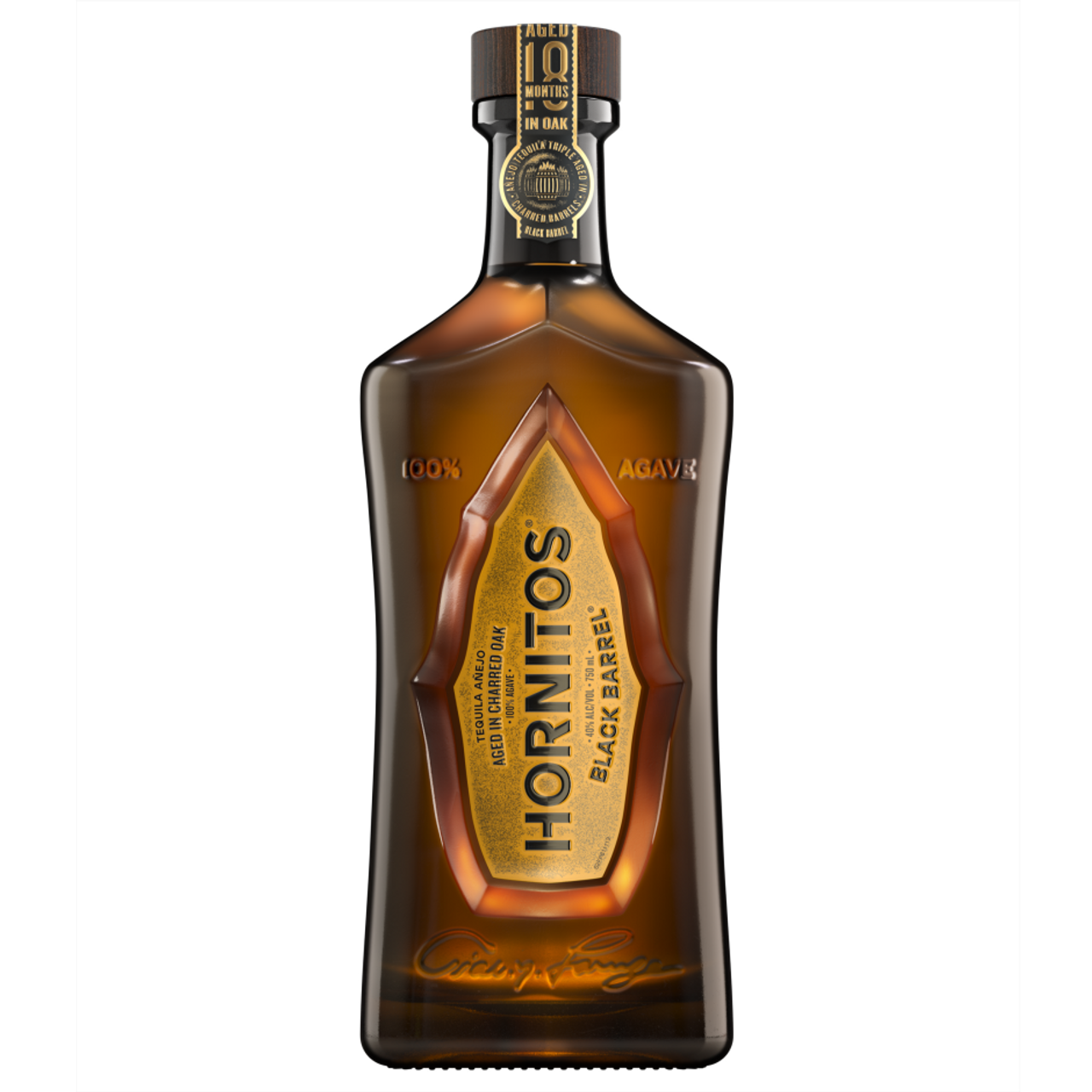
Hornitos cazadores
$9.25
Hornitos Cazadores: A Deep Dive into Two Tequila Icons
When it comes to the world of tequila, two names often stand out for their distinct heritage and quality: Hornitos and Cazadores. While they are separate brands, both contribute significantly to the rich tapestry of Mexican spirits. This article will delve into the individual stories of Hornitos Cazadores, exploring their unique histories, the regions that shape their character, and the ingredients that define their renowned flavors.
The Storied Past: History of Hornitos Tequila
Hornitos Tequila boasts a lineage steeped in innovation and Mexican pride. Its story begins in the 19th century with Don Cenobio Sauza, a visionary who revolutionized tequila production by cooking agave piñas in “hornitos,” or small ovens, rather than over an open flame. This method yielded a brighter, fresher-tasting tequila, setting a new standard for the industry.
The official launch of Hornitos, however, came in 1950, when Don Francisco Javier Sauza, a descendant of Don Cenobio, introduced the brand on Mexican Independence Day. He made history by creating one of the very first Reposado tequilas, even before the term “Reposado” was officially recognized. This pioneering spirit cemented Hornitos’ place as a brand synonymous with boldness and a “fresh take” on tequila. Over the decades, Hornitos has continued to embody this independent spirit, offering a range of tequilas that honor tradition while embracing modern palates.
The Hunter’s Legacy: History of Cazadores Tequila
Cazadores Tequila, meaning “hunters” in Spanish, carries a similarly compelling narrative that dates back to 1922. Don José María Bañuelos, a passionate tequila maker, crafted an incomparable recipe that he reportedly safeguarded within the walls of his home. It wasn’t until his grandson, Félix Bañuelos, rediscovered this secret recipe and built a distillery in 1973 that Cazadores began its journey to widespread recognition.
The stag prominently featured on Cazadores bottles pays homage to Don José María, who was inspired by the deer (cazadores) he observed roaming through his agave fields. This symbol represents the brand’s relentless “hunt” for the finest tequila. Since its commercial launch, Cazadores has upheld its commitment to producing premium, 100% agave tequilas, maintaining the original 1922 recipe and a meticulous 24-step production process, even incorporating classical music (Mozart, specifically) during fermentation – a testament to their dedication to craftsmanship.
The Terroir of Tequila: Region and Its Influence
The region where agave is cultivated plays a crucial role in the final flavor profile of tequila. Both Hornitos and Cazadores hail from the heartland of tequila production: Jalisco, Mexico. However, they draw their agave from distinct sub-regions, contributing to their individual characteristics.
Hornitos Tequila primarily sources its 100% blue agave from the general region of Jalisco. While specific details might vary for different expressions, the consistent quality speaks to the fertile lands and ideal climate of this Mexican state, renowned for producing the finest agave.
Cazadores, on the other hand, proudly emphasizes its origins in Los Altos de Jalisco, or the Jalisco Highlands. This region is characterized by its red, mineral-rich soil and higher altitude, which are believed to stress the agave plants in a way that encourages a higher concentration of sugars and a more fruity, floral character in the resulting tequila. The unique terroir of the Highlands contributes to the distinctive smoothness and complexity that Cazadores is known for.
Related products

Don julio añejo Tequila

Tres Generaciones Añejo
- Tres Generaciones Añejo: A Legacy in Every Sip When it comes to the world of tequila, few names evoke a sense of tradition, craftsmanship, and unwavering dedication quite like Tres Generaciones Añejo. More than just a spirit, it represents a remarkable journey through time, a testament to the enduring passion of a family that has shaped the very essence of tequila production. This añejo expression, aged to perfection, offers a complex and sophisticated experience that sets it apart in a crowded market.

Jose Cuervo Gold Especial

Patron Tequila
Patron Tequila Reposado: A Masterpiece of Mexican Craftsmanship
In the world of premium spirits, few names resonate with the same prestige and recognition as Patron. While their entire range of tequilas is celebrated, Patron Tequila Reposado holds a special place, embodying a perfect balance of tradition, innovation, and unparalleled quality. This article delves into the fascinating history, the unique regional influences, and the meticulous ingredients that contribute to the distinctive character of Patron Tequila Reposado. For those seeking the ultimate tequila experience, Patron stands as a beacon of excellence.A Legacy Born from Passion: The History of Patron Tequila
The story of Patron Tequila begins not in a centuries-old hacienda, but in the modern era, born from a desire to create a truly ultra-premium tequila. Founded in 1989 by entrepreneurs John Paul DeJoria and Martin Crowley, Patron’s initial vision was to craft a tequila so smooth and refined that it would redefine thequila category. At a time when most tequila was seen as a harsh spirit for shots, Patron aimed to elevate it to a sipping experience, akin to fine scotch or cognac.To achieve this, they partnered with Francisco Alcaraz, a master distiller with a deep understanding of traditional tequila-making methods. Alcaraz was instrumental in establishing the meticulous production process that still defines Patron today. From the careful selection of agave to the precise distillation and aging, every step was designed to ensure uncompromising quality. The commitment to handcrafted production, even as the brand grew exponentially, became a cornerstone of Patron’s identity.- Initially, Patron was produced at a small, traditional distillery in Jalisco, Mexico. As demand surged, the need for a larger, state-of-the-art facility became evident. However, the founders were steadfast in their commitment to maintaining the artisanal approach. This led to the construction of Hacienda Patron, a magnificent distillery in Atotonilco El Alto, Jalisco, designed to blend modern efficiency with traditional techniques. It’s a testament to their unwavering dedication that even with increased production, the core principles of quality and craftsmanship remain paramount to Patron.AlcaPatron Tequila begins not in a centuries-old hacienda, but in the modern era, born from a desire to create a truly ultra-premium tequila. Founded in 1989 by entrepreneurs John Paul DeJoria and Martin Crowley, Patron’s initial vision was to craft a tequila so smooth and refined that it would redefine thequila category.