Mexican Regional Cuisine Unveiling a World of Flavor: A Deep Dive into Mexico’s Regional Cuisines
For many, Mexican Regional Cuisine evokes images of sizzling fajitas, cheesy quesadillas, and crunchy tacos loaded with ground beef. While these dishes are beloved staples, they represent only a tiny fraction of a vast and complex culinary landscape. The true heart of Mexican gastronomy lies in its incredible regional diversity, a vibrant tapestry woven from a rich history, varied geography, and a fusion of indigenous and European influences. To truly understand Mexican food, one must embark on a journey that travels far beyond the familiar and into the distinct, delicious, and often surprising culinary traditions that define each of the country’s unique regions. This article is your guide to exploring the fascinating and flavorful world of Mexico’s regional cuisines.
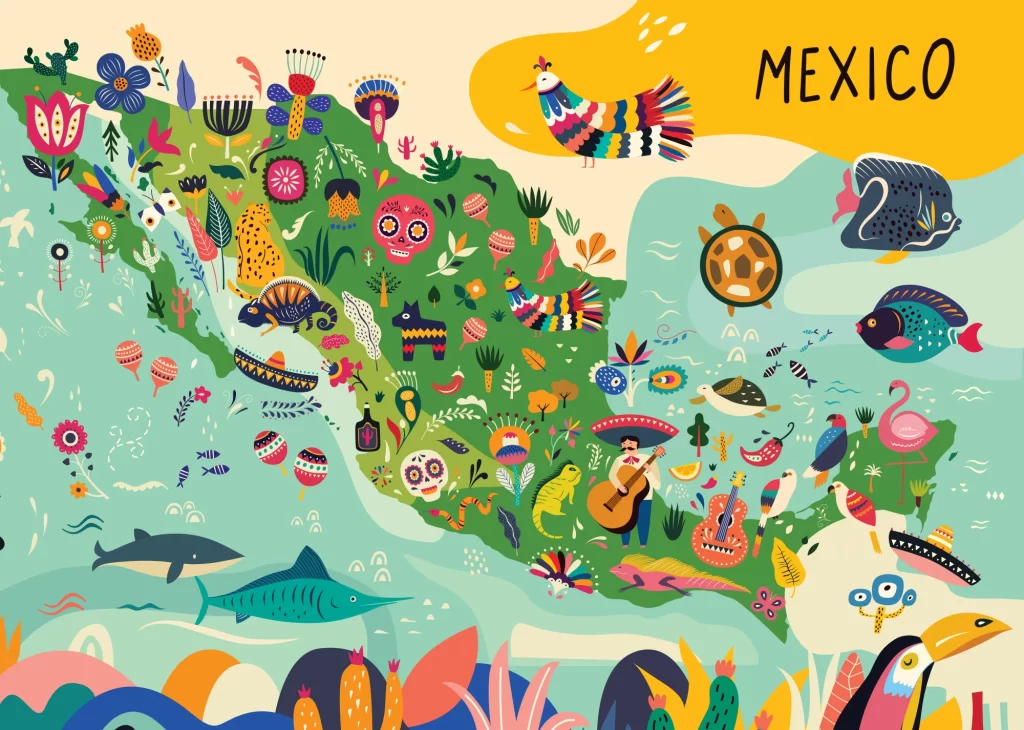
The foundation of Mexican cuisine is ancient, predating the Spanish conquest by thousands of years. Indigenous civilizations like the Maya and Aztec developed sophisticated agricultural techniques, domesticating key staples such as maize (corn), beans, and chili peppers. They mastered processes like nixtamalization, which makes corn more nutritious and is a cornerstone of modern Mexican cooking. These core ingredients and techniques were the building blocks of a culinary tradition that was already incredibly diverse and regional even before the arrival of Europeans. The Spanish introduced a new world of ingredients, including domesticated animals like pigs and cows, as well as dairy products, rice, and a wide array of herbs and spices like cinnamon, cloves, and oregano. The fusion of these two culinary worlds—the indigenous and the Spanish—gave birth to the rich and complex dishes we know today.
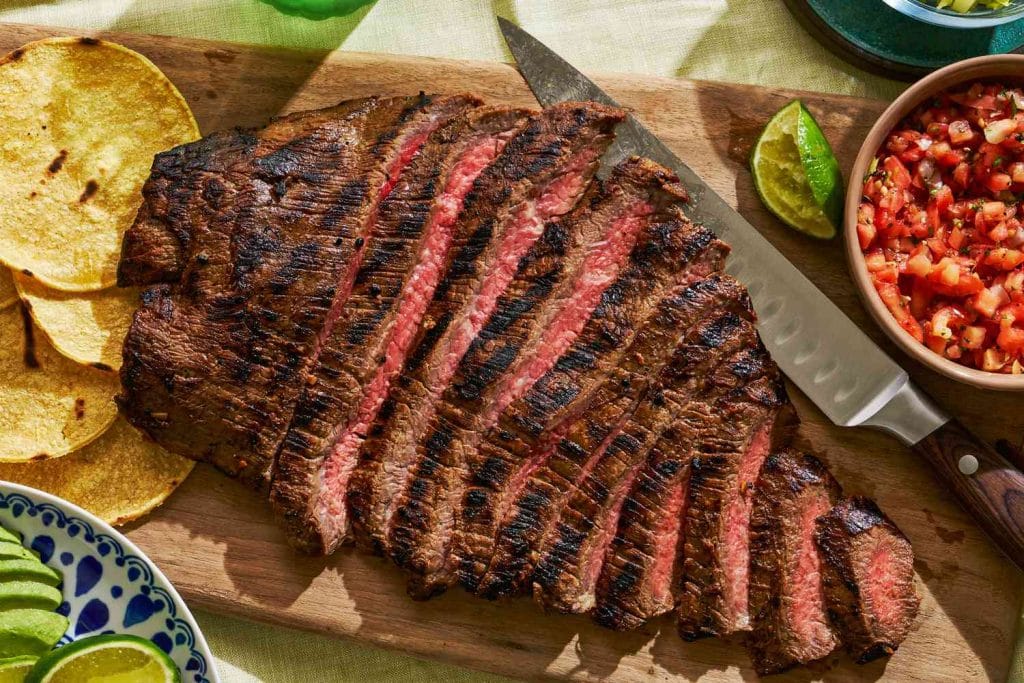
As a result, Mexican cuisine is not a monolithic entity. It’s a collection of distinct culinary identities, each shaped by its unique history, climate, and available ingredients. The arid north, with its wide-open ranches and cattle culture, features a cuisine built around grilled beef, goat, and flour tortillas. Here, you’ll find the iconic carne asada and machaca, dishes born from a life on the range. Travel to the tropical Yucatán Peninsula, and you’ll encounter a world of flavor that is profoundly Mayan, with strong influences from the Caribbean. The use of achiote, a spice that imparts a distinctive reddish hue and peppery flavor, is a hallmark of this region, famously found in the slow-roasted pork dish, cochinita pibil.
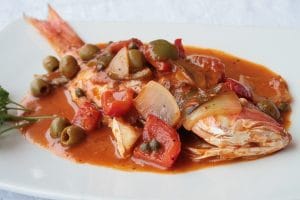
Further south, the state of Oaxaca is often hailed as the gastronomic heart of Mexico, a place where indigenous traditions are more preserved than anywhere else. It is the land of seven distinct varieties of mole, a complex and labor-intensive sauce that can contain dozens of ingredients, including chili peppers, nuts, spices, and even chocolate. The region is also famous for its local cheeses, savory tamales, and unique use of ingredients like hoja santa, an aromatic herb with a flavor akin to anise. The coastal states, like Veracruz and those on the Pacific Coast, tell a different story, one of the sea. Veracruz, in particular, showcases a remarkable blend of indigenous, Spanish, and Afro-Caribbean influences. Its cuisine is a testament to its history as a major port, with dishes like huachinango a la veracruzana (Veracruz-style red snapper) featuring olives, capers, and a rich tomato sauce—a true fusion of cultures.
 The sheer variety of Mexican Regional Cuisine is a journey in itself, inviting travelers and food lovers to explore a new set of flavors and traditions with every state line. From the fiery chilies of Chiapas to the seafood-rich ceviches of Baja California, the culinary map of Mexico is as diverse as its breathtaking landscapes. It’s a cuisine that celebrates local ingredients, ancient techniques, and the powerful role of food in bringing communities together. By delving into these regional specialties, we gain a deeper appreciation for the cultural heritage of Mexico and the stories that are told through every dish.
- Northern Mexico: Known for its ranching culture and wide-open spaces, this region’s cuisine is heavily focused on grilled meats. A prime example is Carne Asada, marinated and grilled beef, often served in tacos or on its own. Another is Cabrito, a famous dish of roasted young goat, particularly popular in the city of Monterrey.
- Yucatán Peninsula: This tropical region’s food is deeply rooted in Mayan tradition, with unique ingredients and cooking methods. Cochinita Pibil is a perfect illustration: slow-roasted pork marinated in achiote and sour orange juice, traditionally cooked in a pit oven, which results in incredibly tender and flavorful meat. Another staple is Sopa de Lima, a refreshing and zesty chicken and lime soup.
- Oaxaca: Widely regarded as Mexico’s culinary capital, Oaxaca is famous for its complex and ancient flavors. The most iconic dish is Mole, with the state boasting seven distinct varieties. The most famous is Mole Negro, a rich, dark sauce made with dozens of ingredients including chili peppers, spices, and chocolate. Another essential Oaxacan dish is the Tlayuda, a large, crispy corn tortilla topped with refried beans, meat, and cheese, often referred to as a “Mexican pizza.”
- Coastal Regions (Veracruz & Pacific Coast): With a wealth of fresh seafood, these regions combine indigenous, Spanish, and even Afro-Caribbean influences. From the Gulf Coast, Huachinango a la Veracruzana is a famous dish of red snapper cooked in a tomato sauce with olives, capers, and herbs. On the Pacific side, a popular dish is Pescado Zarandeado, a whole butterflied fish marinated in a special sauce and grilled over a wood fire.
The Heart of the Kitchen: Staple Foods of Mexican Cuisine
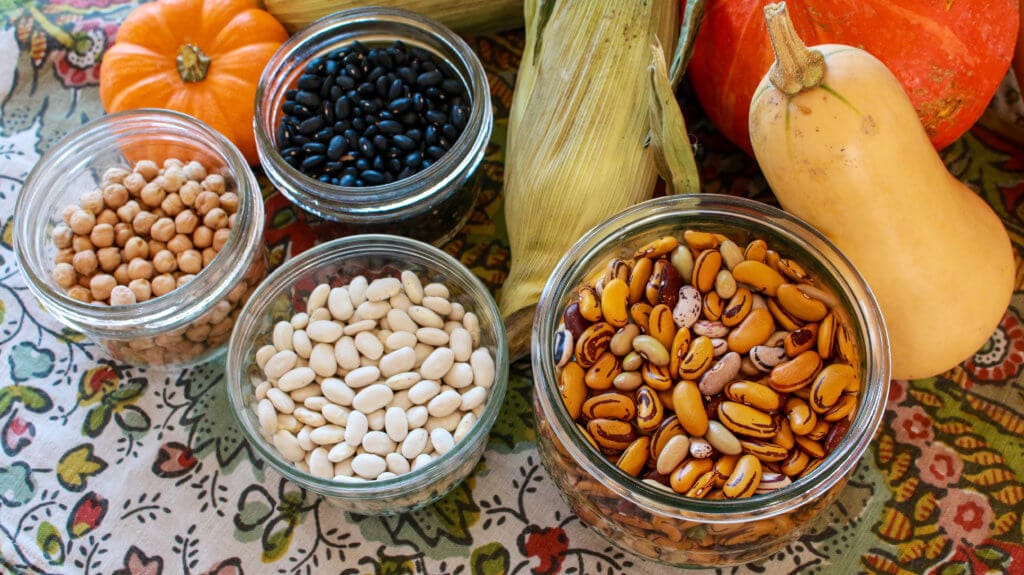
The culinary landscape of Mexico is a vibrant tapestry woven from a few foundational threads. At its core, Mexican cuisine is an art form rooted in ancient traditions, a testament to a rich cultural heritage that predates the arrival of the Spanish. The foundation of this gastronomy is often referred to as the “holy trinity” of Mexican food: corn, beans, and chili peppers. These three ingredients, domesticated and cultivated for millennia, have shaped not just the diet of the Mexican people but their culture, identity, and entire way of life. Beyond this trinity, other staples such as squash, tomatoes, and certain indigenous herbs and proteins play crucial supporting roles, creating a complex and balanced system of nutrition and flavor.
The Life-Giving Kernel: Corn (Maíz)
More than just a crop, corn is the soul of Mexican cuisine. In many indigenous myths, humanity itself was created from corn masa, cementing its status as a sacred and life-giving force. The domestication of corn dates back over 9,000 years, and its central role in the diet has remained unchanged. However, the secret to corn’s enduring importance lies in a pre-Hispanic culinary process known as nixtamalization.
Nixtamalization, a Nahuatl word, is the process of cooking corn kernels in an alkaline solution, typically made with food-grade slaked lime (Ca(OH)2) and water. This simple yet revolutionary technique does three critical things: it softens the kernels for grinding, significantly increases their nutritional value by making niacin (vitamin B3) more bioavailable, and imparts a unique, earthy flavor. The resulting corn is called nixtamal, which is then ground into a moist dough known as masa. This masa is the starting point for countless dishes.
The most iconic product of masa is the tortilla, a thin, flatbread that serves as the cornerstone of nearly every Mexican meal. Tortillas are the vessels for tacos, the base for tostadas, and the wrapping for enchiladas. They are made by pressing small balls of masa into flat discs and cooking them on a hot griddle called a comal. The fresh, warm, and slightly toasted flavor of a handmade corn tortilla is a sublime experience, a far cry from the mass-produced versions found in most supermarkets. The tortilla’s versatility is unparalleled; it can be fried to make crispy chips for nachos, rolled and fried for flautas, or simply served alongside a meal to scoop up salsas and stews.
Another profound use of corn masa is in tamales. These are savory or sweet steamed packets of masa, filled with everything from seasoned meats and chilies to cheese, fruits, or nuts. The masa is whipped to a light, fluffy consistency and spread onto a corn husk or banana leaf. The filling is placed in the center, and the package is expertly folded and tied before being steamed. The steaming process infuses the tamal with a delicate fragrance and gives the masa a soft, almost cake-like texture. Tamales are a communal food, often prepared in large batches for celebrations, holidays, and family gatherings.
Corn also forms the basis of pozole, a rich and hearty stew. Pozole is made from large, puffy kernels of nixtamalized corn, known as hominy. The hominy is simmered for hours with meat—typically pork or chicken—and seasoned with chiles. It is then served hot in a large bowl and garnished with a variety of fresh toppings, including shredded cabbage, radishes, oregano, and lime. Beyond savory dishes, corn is also the star of sweet preparations, such as atole, a thick, hot beverage made from masa, water, cinnamon, and sugar, and often flavored with fruits or chocolate.
The Sustaining Pulse: Beans (Frijoles)
Beans are the essential partner to corn, completing the nutritional profile of the Mexican diet. For centuries, beans have provided a vital source of protein, fiber, and iron, complementing the carbohydrates found in corn. The symbiotic relationship between corn and beans is not just culinary; it’s agricultural. The “three sisters” farming technique—planting corn, beans, and squash together—was a cornerstone of ancient Mesoamerican agriculture, with beans climbing the corn stalks and enriching the soil.
The simplest and most classic preparation of beans is frijoles de la olla, which literally means “beans from the pot.” Dried beans, most commonly black or pinto, are soaked overnight and then simmered with water, onion, garlic, and a sprig of epazote, a pungent herb indigenous to Mexico. This long, slow cooking process results in tender, flavorful beans in a fragrant broth, which can be eaten as a soup or a side dish.
From frijoles de la olla, the next step is often frijoles refritos, or “refried beans.” Despite the name, they are not fried twice. The cooked beans are mashed and then fried in a pan with lard or oil, along with more onion and garlic, until they form a thick, creamy paste. This process deepens the flavor and creates a rich, smooth consistency that is a perfect accompaniment to almost any dish. Refried beans are a fixture on platters, used as a filling for burritos and gorditas, or simply served on a side plate.
Beans are also a key ingredient in many stews and soups, such as caldo de frijol, a simple black bean soup, or sopa de tortilla, where they are often part of the flavorful broth. Their earthy flavor and satisfying texture make them an indispensable part of Mexican food, a comforting and nourishing presence on every table.
The Fiery Soul: Chili Peppers (Chiles)
While corn and beans provide the body of Mexican cuisine, chili peppers provide its soul. With thousands of varieties, ranging from the mild and sweet to the incendiary, chiles are used not just for heat, but for their diverse and complex flavors. The Spanish word picante refers to the sensation of heat, but the true art of Mexican cooking is in understanding the unique flavor profile of each chile, from the smoky notes of a chipotle to the fruity brightness of a guajillo.
Chilies are used in both their fresh and dried forms, and the transformation from one to the other is a crucial part of Mexican gastronomy. A fresh jalapeño, for example, is crisp and herbaceous, perfect for a fresh salsa. When dried and smoked, it becomes a chipotle chile, with a deep, smoky flavor and a moderate, lingering heat. Similarly, an unripened poblano chile is a vibrant green, ideal for stuffing to make chiles rellenos. When it ripens to a dark red and is dried, it becomes an ancho chile, prized for its fruity, raisin-like sweetness.
Salsas are the most direct expression of the chile’s importance. They are the universal condiment, elevating simple dishes to new heights. They can be fresh and vibrant, like pico de gallo made with diced tomatoes, onions, jalapeños, and cilantro, or rich and cooked, like the a deep red salsa made from roasted tomatoes and dried chiles. Salsas are not just an addition; they are a fundamental part of the meal, providing the perfect counterpoint of flavor and spice.
Dried chiles are the foundation of moles, complex sauces that are a hallmark of Mexican cooking. Moles are a testament to the patient and meticulous nature of the cuisine. The process involves toasting and grinding a variety of dried chiles, nuts, seeds, and spices, which are then simmered for hours to create a velvety, multi-layered sauce. Oaxaca, often called the “Land of the Seven Moles,” is famous for its intricate sauces, with the most renowned, Mole Negro, containing dozens of ingredients, including chocolate, which adds a deep, bittersweet note that balances the spiciness.
The Supporting Cast: Beyond the Trinity
While corn, beans, and chiles are the undisputed stars, a few other staples are essential to the Mexican kitchen. Rice, introduced by the Spanish, has become a ubiquitous side dish. Mexican red rice, or arroz rojo, is a popular preparation where the rice is fried in oil and then simmered in a tomato-based broth with vegetables until tender and fluffy.
Tomatoes and tomatillos are the backbone of countless sauces and stews. Whether fresh and diced for a salsa or roasted and blended into a rich sauce, their acidity and sweetness provide a necessary balance to the other ingredients. Squash, another of the “three sisters,” is used in everything from soups and stews to dessert preparations.
Finally, avocados, native to Mexico, are a crucial element. The most famous use is, of course, in guacamole, a simple yet perfect blend of mashed avocado, onion, cilantro, and lime juice. Its creamy texture and refreshing flavor make it a beloved dip and topping.
In conclusion, Mexican cuisine is a celebration of a few simple, yet powerful, ingredients. Corn, beans, and chiles, transformed by ancient techniques like nixtamalization and patient cooking, form a culinary language that speaks of history, culture, and community. The art of Mexican cooking is not in having a vast number of ingredients, but in the masterful way a few staples are combined and prepared, resulting in a cuisine that is rich, diverse, and beloved around the world.